WARDOGS Solo Guide: Lone-Wolf Play Tactics
Use this WARDOGS Solo Guide to play as a lone wolf, choose a useful loadout, follow the Control Zone, earn cash, and support your team today.
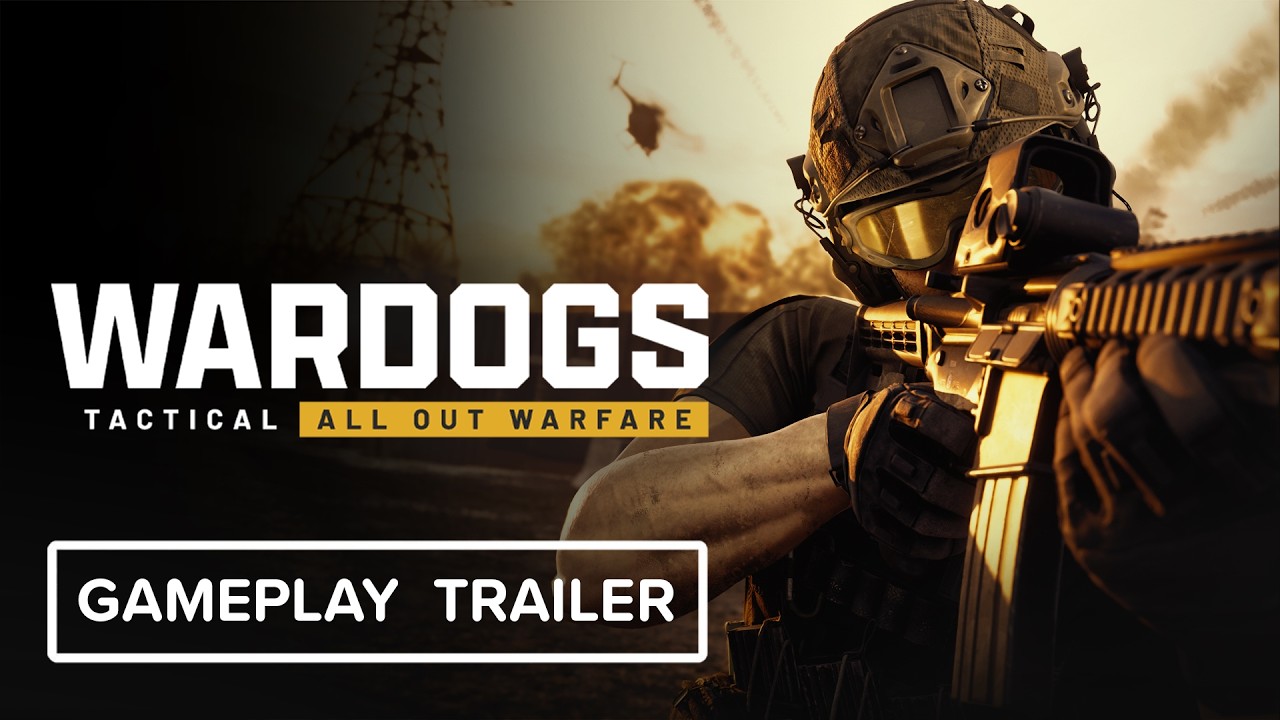
Image source: WARDOGS Gameplay Trailer by Team17.
Can you play WARDOGS solo?
Yes. The official descriptions explicitly include a lone-wolf playstyle and a drop-in, drop-out session design. A solo player can join for a short session or stay longer, choose a role through purchased equipment, and still contribute to a team fighting over the Control Zone. Solo does not mean that the objective changes into a free-for-all; the match remains a three-team contest.
The most reliable solo approach is to stay useful to the team while protecting your persistent cash. The official FAQ says that WARDOGS has no set classes, so you choose equipment, vehicles, and items that fit the role you want to play. This lets a player adapt between combat, support, medical, construction, transport, and other tasks without selecting a permanent class first.

WARDOGS Gameplay Trailer — Team17
Video source: WARDOGS Gameplay Trailer.
Start with the Control Zone
The core mode is inspired by King of the Hill. Up to one hundred players are split across Valkyra, Lonestar, and Manticore, and the team with the most players inside the Control Zone earns points at regular intervals. The first team to reach one hundred points wins the match, so a solo player should read the objective before choosing a fight.
Use the zone as your decision anchor. If your team needs bodies inside the objective, move toward the group and add pressure rather than chasing a distant elimination. If the route is contested, use terrain, vehicles, construction, or a support role to help the team reach and hold the area. The zone location changes between matches, so a previous route is not a permanent answer.
How should a solo player choose a loadout?
WARDOGS lets players purchase a custom loadout for each life from weapons, gear, utility, and vehicles. The official material does not define one universal solo build; instead, it describes a system where players buy what they need to perform a role. Begin with equipment you understand and match the purchase to the team’s immediate problem.
If teammates are struggling to stay alive, the FAQ gives bandages and medkits as examples of a medical role. If the team needs a fortified position, building items and a forward operating base are part of the advertised sandbox. If movement or resupply is the problem, the official descriptions point to transport and helicopter logistics. These are role examples, not mandatory classes.
How can you earn cash without a squad?
The official Steam description names reviving squadmates, transporting friendly players to the zone, and controlling the objective as cash-rewarding team actions. A solo player can still perform those actions when nearby teammates need help. Staying close enough to respond gives you more opportunities to revive, move players, or contest the objective than wandering away from the match flow.
The Hot Zone is described as a place where players can earn double cash. A solo player can choose that opportunity when the team can support the push, but the reward does not replace the need to understand the objective. Protect the balance that persists between matches and avoid buying an expensive option simply because it promises a larger payout in one life.
How should a lone wolf use vehicles and bases?
The official Team17 page describes helicopters for ferrying supplies, forward operating bases for fortifying a chokepoint, and artillery tanks or heavy armour for destructive pressure. These systems give solo players ways to support the team without needing to lead every assault. Choose the vehicle or building task that addresses the current battlefield problem, then return to the objective when the support task is complete.
Construction and destruction also change the value of a position. A fortified route may help teammates approach the zone, while rocket launchers and armoured vehicles can remove cover or open a path. The important solo habit is to connect the action to team progress: movement, reinforcement, cover, or objective pressure should be the reason for the purchase.
What should you do when joining late or leaving early?
The FAQ says WARDOGS is designed for drop-in, drop-out sessions. Players can join for ten minutes or for a longer session, and every player in the zone contributes after selecting a team. When joining late, look for the active Control Zone and the nearest friendly group before spending cash on a complex plan.
When leaving early, use the current life to make one useful contribution rather than starting a long detour. A revive, transport run, supply movement, or short objective hold can still matter. The session design supports time-limited play, but the same objective and team rules apply whether you stay for one life or several matches.
Solo checklist
Read the active Control Zone, select a team, and buy a loadout you can explain. Stay close enough to help teammates, earn cash through objective and support actions, and use vehicles or building tools to solve a specific problem. Keep the persistent balance in mind because the cash carries from match to match.
The direct answer is that WARDOGS can be played as a lone wolf, but the strongest solo decisions still serve the three-team objective. The official systems reward players who make themselves useful through combat, revives, transport, logistics, construction, or control rather than treating every life as an isolated deathmatch.
Sources
(Guide information is for reference only.)
Related Articles
guides
WARDOGS Guide: How to Start Your First Match
This WARDOGS beginner guide explains the first-match loop, Control Zone objective, persistent cash, loadouts, teamwork, and safe early decisions.
guides
WARDOGS Gameplay Guide: Control Zone, Cash & Teamplay
Learn how WARDOGS gameplay connects three-team Control Zone scoring, persistent cash, loadouts, vehicles, construction, destruction, and teamplay rewards.
guides
WARDOGS Game Modes: Control Zone and KOTH
See which WARDOGS Game Modes are confirmed, how Control Zone draws from King of the Hill, and why the game is not battle royale or extraction.
Was this helpful?
Thanks for the feedback!