
WARDOGS Compare Tool: Evidence-Based Loadout Choices
Use the WARDOGS Compare Tool to review weapons, equipment, and vehicles by role, source, and purchase context while unpublished stats stay clearly marked.
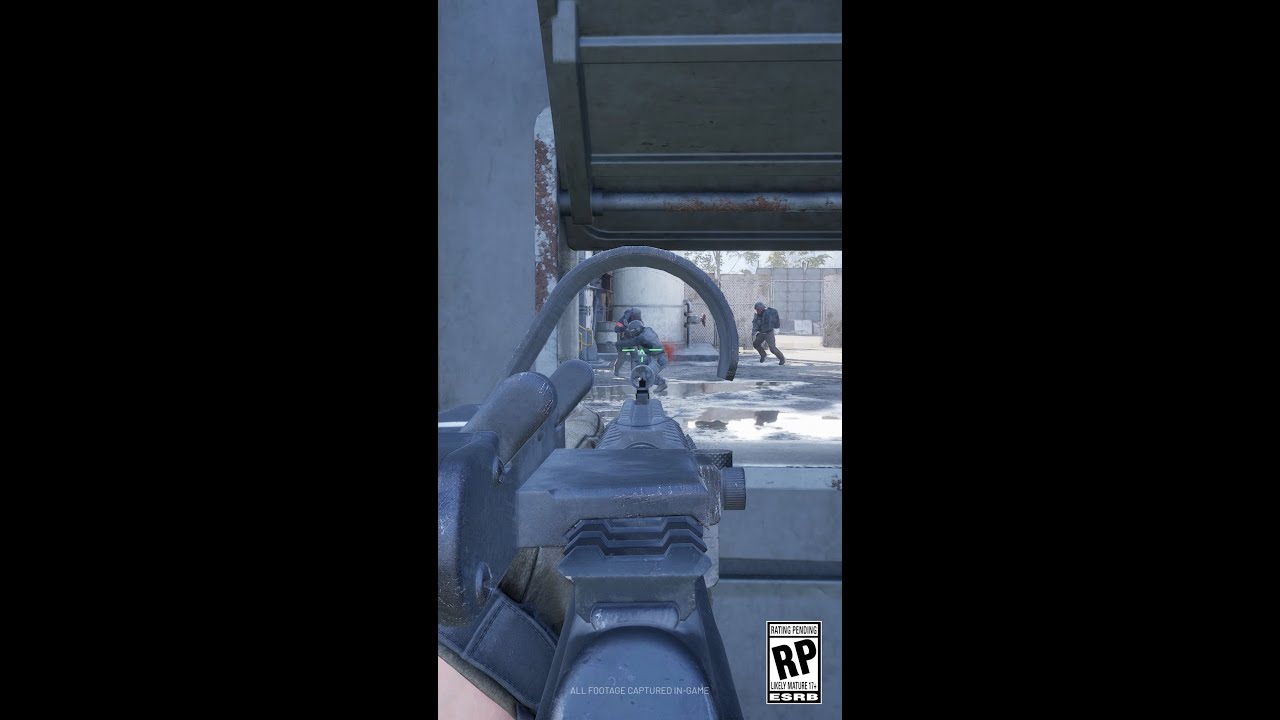
What does the WARDOGS Compare Tool compare?
The WARDOGS Compare Tool compares three source-backed categories: weapons, equipment, and vehicles. Steam confirms that players purchase a custom loadout for each life, choosing from weapons, gear, utility, and vehicles before returning to the Control Zone. The tool therefore answers a practical question—what role does an option support, and what evidence describes it—rather than presenting an invented tier list.
The public material does not provide a complete catalogue with final names, prices, damage, range, recoil, weight, capacity, armor, speed, fuel, repairs, or seat counts. Those fields stay until a named build or official table confirms them. A visible object in a trailer can provide context, but it is not proof of a finished specification.
How should you read a comparison result?
Start by choosing the category that matches the decision in front of you: a weapon for infantry pressure, equipment for support or concealment, or a vehicle for transport and combined-arms pressure. Select the assets you want to compare, then read each field with its evidence label. This keeps the page focused on a single player task and prevents a role description from being mistaken for a complete balance sheet.
The evidence vocabulary follows the collected comparison research. “Confirmed” means the publisher or store page states it; “Official visual” means it is visible in official footage; “Wiki reading” means a cautious editorial classification; “Community observation” is tied to a test report; and “Not published” means the source does not provide the value. A single asset can have a confirmed role and an unconfirmed damage value at the same time.
What can the tool say about weapons?
Official descriptions and footage establish that infantry weapons are part of every-life custom loadouts, and that rocket launchers can be used to destroy structures. These are useful role distinctions: a general-purpose firearm addresses infantry pressure, while a launcher addresses cover or building destruction when the situation calls for it. The sources do not establish a universal “best weapon” or a final numeric ranking.
Compare weapons by the problem they solve, the evidence behind that role, and the cash decision required to buy them. Close or medium range is a visual classification unless a source publishes a falloff table, and recoil, reload time, projectile behavior, ammunition limits, and damage remain not listed in the collected sources. The Control Zone, the moving Hot Zone, available cash, and the squad’s plan can change which option is practical.
What can the tool say about equipment?
Steam and Team17 include gear and utility in the loadout system. The collected material identifies examples such as a ghillie suit for distance and concealment, medical items for recovery, construction tools for fortification, and carrying equipment shown in test or promotional material. These examples support task-based labels, but they do not prove a complete equipment roster, class system, healing amount, camouflage statistic, inventory size, or unlock order.
The useful comparison is the decision an item supports. Mark medical, concealment, construction, carrying capacity, or another documented purpose only when the source provides that connection. If an item is visible only in a video, label it as an official visual observation and keep model name, price, duration, slots, and effect values as not listed in the collected sources.
What can the tool say about vehicles?
Vehicles connect WARDOGS infantry play to transport, logistics, armor, and fire support. The official descriptions use helicopters for moving friendlies or supplies, heavy armor for breaking through towns, and artillery-style vehicles for applying pressure. These roles are enough to compare how a vehicle supports a team without claiming that every visible vehicle is final or available in every build.
When reading a vehicle result, separate transport, logistics, armored pressure, artillery, and air-support observations. A visible seat, weapon, or silhouette does not confirm crew size, speed, armor, fuel, repair behavior, ownership, or ammunition. Those fields remain unpublished until Early Access documentation or a versioned official source provides them.
How does Persistent Cash change the choice?
The official Steam page says every player starts with $10,000, buys each life’s loadout, earns cash for teamplay actions, and keeps cash from match to match. Examples include reviving squadmates, transporting friendlies to the zone, and controlling the objective. A comparison is therefore also an economic decision: an item’s role must be weighed against the cash needed now and the risk of losing a costly life.
The Hot Zone can pay double cash, while support, transport, spotting, combat, and objective work can all contribute to income when documented by the source. None of these facts supplies a universal efficiency ranking. Compare the published role first, then add price or return only when the current game build publishes a reliable value.
How is WARDOGS different from a numeric tier list?
The tool is deliberately evidence-led because WARDOGS is presented as an Early Access project whose balance and catalogue can change. A numeric tier list would imply stable damage, time-to-kill, armor, or economy values that the collected sources do not provide. Instead, the tool shows what is confirmed, what is visible, and what still needs a source.
This approach also keeps comparisons useful for different play styles. A transport helicopter may matter more to a squad moving into a randomized Control Zone, while a launcher may matter more when a fortified building blocks a push. The tool can explain that relationship without declaring a single winner for every map, cash balance, or team plan.
What should remain unconfirmed?
The open fields include final asset IDs, model names, purchase prices, damage, falloff, recoil, projectile behavior, armor, speed, weight, capacity, fuel, repairs, ammunition, seats, ownership, and unlock sequence. The official roadmap and Early Access updates may add or rebalance assets, so each future value needs a source date and build context. Do not copy values from Battlefield, Squad, Arma, a community screenshot, or a trailer into a WARDOGS field.
The direct answer is that the WARDOGS Compare Tool can already organize role-level differences across weapons, equipment, and vehicles. It becomes a complete numeric database only after the developer publishes stable fields or a verifiable data source; until then, no value is listed, which is the accurate result.

WARDOGS | Gameplay Trailer - Team17
Sources
(Guide information is for reference only.)
Related Articles
guides
WARDOGS vs Arma 3: Sandbox Scope and Combat Guide
Compare WARDOGS vs Arma 3 by match goals, sandbox scope, content creation, vehicles, economy, and version-scoped facts from primary sources.
guides
WARDOGS vs Battlefield: Objective and Teamplay Guide
Compare WARDOGS vs Battlefield 2042 by objectives, roles, vehicles, destruction, and teamplay without mixing version-specific facts or inventing benchmarks.
guides
WARDOGS vs Squad: Communication and Objective Guide
Compare WARDOGS vs Squad by objectives, communication, loadouts, base building, combined arms, player decisions, and source-scoped facts clearly.
Was this helpful?
Thanks for the feedback!